Decorative Custom Glass Installations: A Sydney Homeowner's Guide for 2026
Decorative custom glass installations can transform a Sydney home with colour, texture, and light in ways that paint or tile simply cannot match. This guide covers the main glass types available in 2026, how installation typically works, which rooms suit each option, and how to choose the right glazier.
What Are the Main Types of Decorative Custom Glass?
Etched and Sandblasted Glass
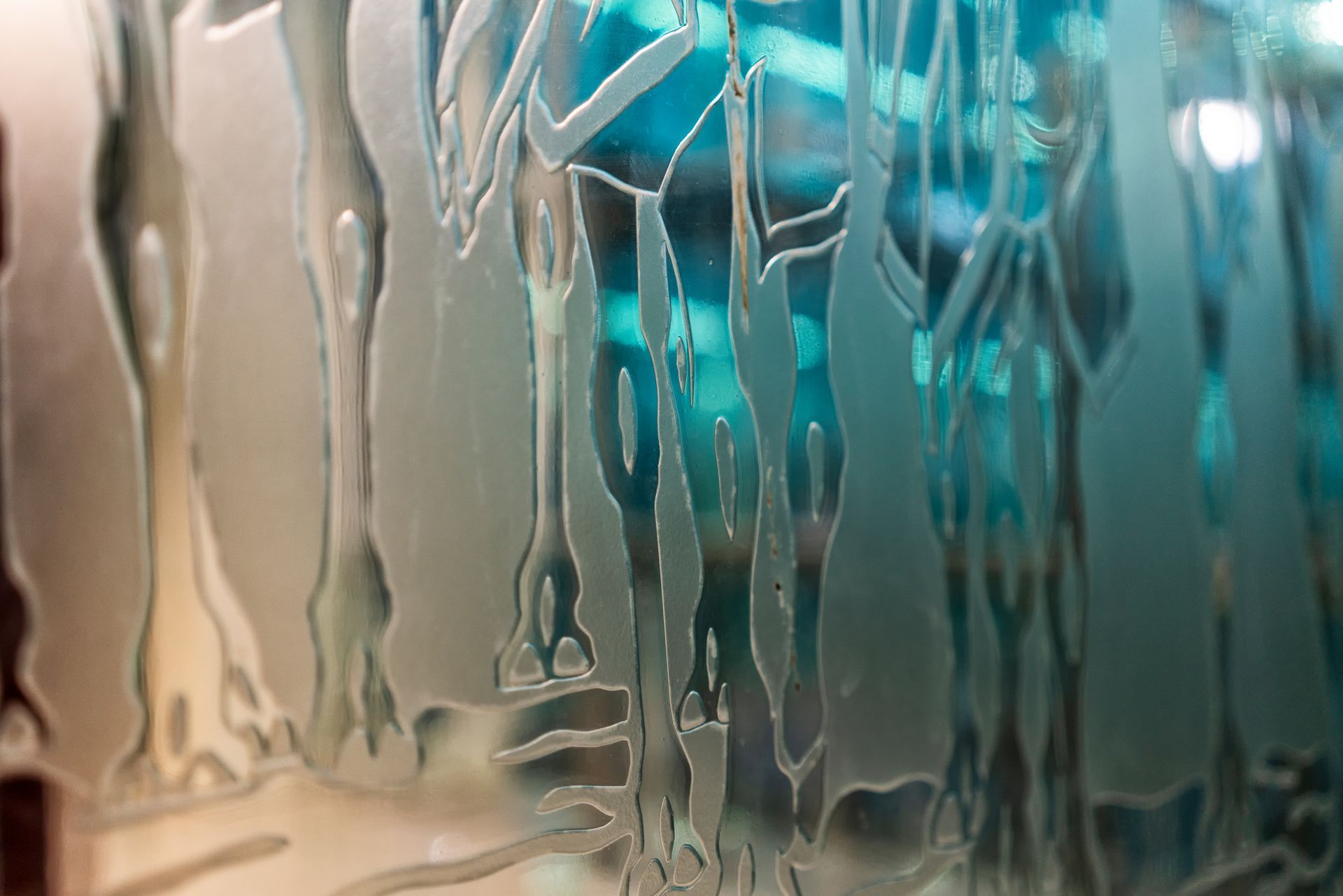
Etched and sandblasted glass<https://www.spectrumartglass.com.au/etched-or-sandblasted-glass> uses compressed abrasive materials or acid to carve designs into the surface, producing results that range from subtle frosted patterns to deep sculptural relief. This technique works well for front door panels, bathroom windows, and office partitions where privacy and style are both priorities. Sydney homes with Federation or Edwardian detailing often use etched glass to complement existing timber joinery.
Leadlight and Stained Glass
Leadlight and stained glass are the most traditional options. Leadlight panels are made from individual pieces of clear, coloured, or textured glass cut to shape and leaded together. Stained glass is hand-painted and kiln-fired before being leaded. These techniques are popular in older suburbs such as Balmain, Glebe, and Hunters Hill, where Federation and Victorian homes feature original leadlight that may need repair or replication. Both styles also make a bold contemporary statement in an entry hall or stairwell.
Printed Glass
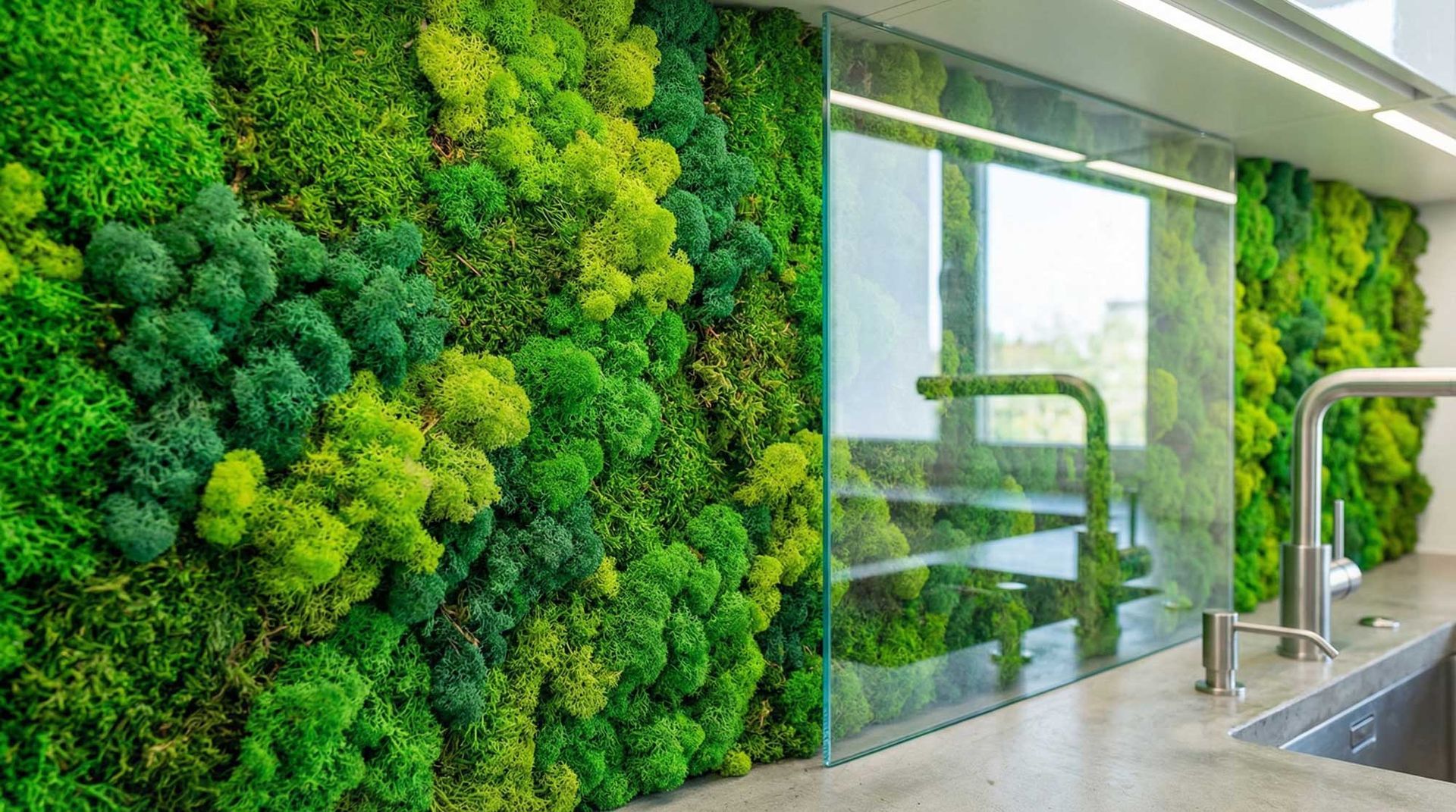
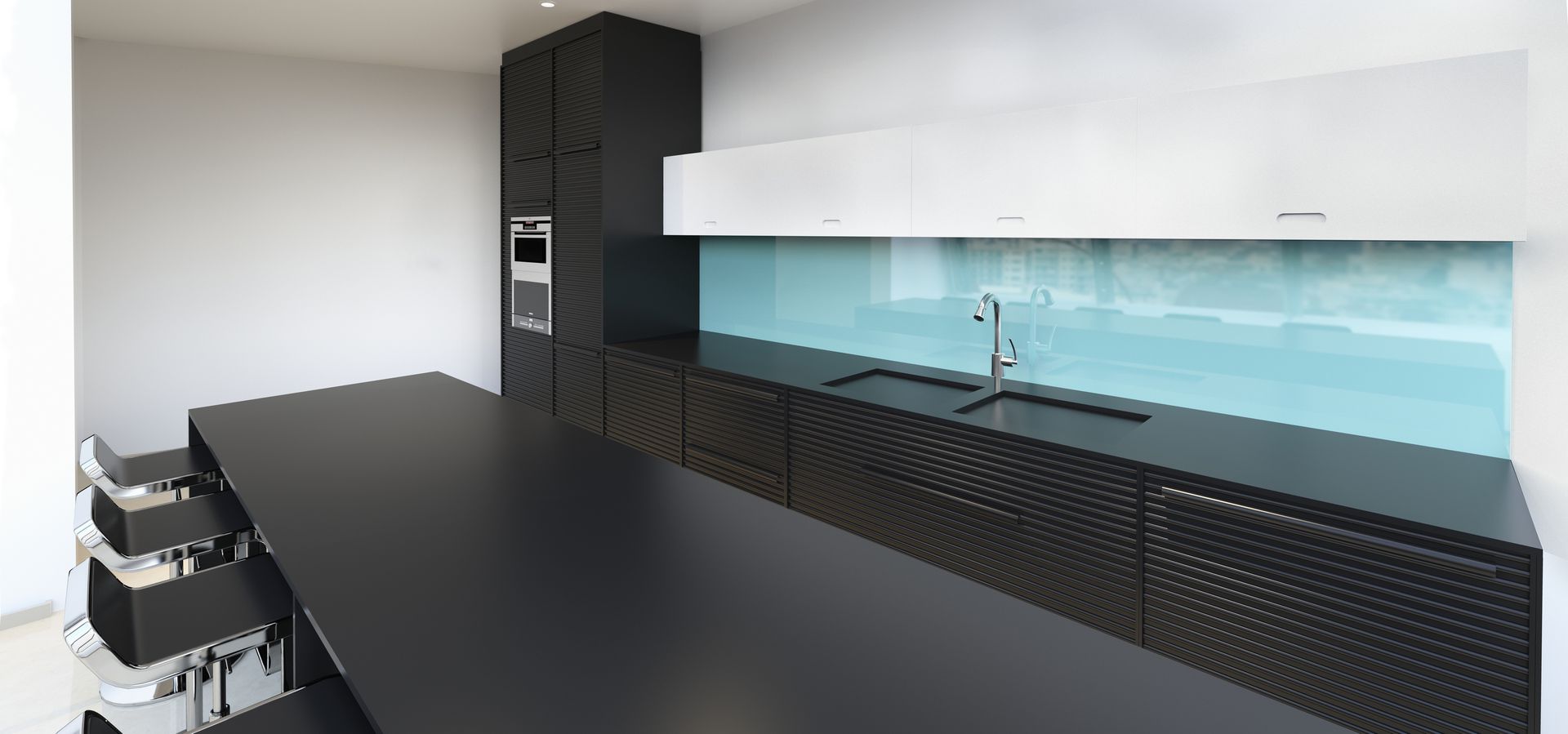
Printed glass uses ceramic frit technology, where colour is fired directly onto the glass surface during toughening. The result is a durable panel that can carry abstract patterns or photographic imagery. Because the print is fired into the glass rather than applied on top, it will not fade, peel, or chip. Printed glass suits kitchen splashbacks, shower screens, balustrading, and external signage.
Slumped and Textural Glass
Slumped glass is heated in a kiln until it softens and takes on the shape of a mould, creating three-dimensional curves that flat glass cannot achieve. Textural and figured rolled glass is available in dozens of patterns and suits windows, doors, screens, and partitions. Both types can be colour-backed or laminated for additional decorative effect.
How Does the Installation Process Work?
Decorative custom glass installations in Sydney typically follow five stages.
1. Initial consultation. You describe the project, the room, and the look you want. A good glazier will ask about existing frames, privacy requirements, and whether toughened safety glass is required under the National Construction Code.
2. Measurement and design. Rough dimensions are provided so a quote can be prepared. Final dimensions are confirmed when the order is placed. For etched or printed work, digital files in EPS or AI format may be required for custom artwork.
3. Production. The glass is cut, treated, painted, leaded, or printed according to the chosen technique. Toughening and laminating happen at this stage if required. Confirm lead times with your supplier early, as they vary by technique and complexity.
4. Glazing and fitting. A qualified glazier measures, fits, and seals the panel. For heritage properties in conservation areas managed by Inner West Council or the City of Sydney, council approval may be required before work begins. Always check with your local council before altering a listed building.
5. Review and sign-off. Inspect the finished installation in daylight and at night. Good suppliers will address any concerns before the job is closed.
Which Rooms Suit Each Glass Type?
Etched and sandblasted glass suits entry doors, sidelights, bathroom windows, and shower screens where privacy and natural light both matter. Leadlight and stained glass are ideal for hallways, stair landings, and period-appropriate feature windows in heritage homes. Printed glass works well in kitchens, bathrooms, and living areas where a bold custom image or colour is the goal. Slumped and textural glass adds depth to internal screens, room dividers, and decorative panels in contemporary open-plan homes.
How Do You Choose a Sydney Glazier for Custom Work?
Look for a supplier who carries multiple techniques in-house rather than outsourcing production. Ask for examples of comparable projects, particularly for heritage replication work. Confirm that toughened panels meet Australian Standard AS/NZS 2208 where required. A showroom visit is worthwhile because seeing glass samples in person gives a much more accurate sense of colour, texture, and obscurity than photographs online.
Frequently Asked Questions
How Long Does a Custom Glass Installation Take?
Timelines vary by technique and project size. Simple sandblasted panels may be ready within a few weeks, while complex stained glass commissions can take considerably longer. Confirm lead times at the quoting stage and build buffer time into any renovation schedule.
Can Existing Frames Be Reused?
In many cases, yes. A glazier can assess whether your existing timber or aluminium frame is structurally sound and sized correctly for the new glass, which can reduce costs and preserve original joinery in heritage homes.
Is Custom Glass More Expensive Than Off-the-Shelf Options?
Decorative custom glass installations are generally a greater investment than off-the-shelf products, but they produce a result that is entirely unique to your home. Consider longevity, property value added, and the fact that a custom panel made to fit cannot be replicated from a catalogue.
Ready to Explore Decorative Custom Glass for Your Sydney Home?
Spectrum Art Glass serves Sydney homeowners with a wide range of decorative glass techniques developed over more than 35 years. Visit the showroom in Auburn to see samples in person, or
get in touch with the team to discuss your project and request a quote. Call
02 9737 0666 to speak with a specialist. You can also find and review the business at Spectrum Art Glass on Google Maps.